YATTLL Mobility Products Manufacturer Email: info@yattll.com

How Often Should You Charge a Power Chair?
Proper charging habits are essential for maintaining your power chair’s performance, extending battery life, and ensuring reliable mobility when you need it most. Understanding when and how often to charge your power chair can significantly impact both its daily performance and long-term durability. This comprehensive guide explores optimal charging practices for different battery types, usage patterns, and power chair configurations.
The Golden Rule: Charge After Every Use
The most important charging principle for any power chair is to charge after every use, regardless of how much battery capacity remains. This practice, known as “opportunity charging,” ensures your chair is always ready for the next outing and helps maintain optimal battery health over time.
Why Charge After Every Use?
Battery Chemistry Benefits Modern battery wheelchair systems, whether sealed lead-acid or lithium-ion, perform best when maintained at full charge. Unlike older battery technologies, today’s power chair batteries don’t suffer from “memory effect” and actually benefit from frequent, complete charging cycles.
Reliability Assurance Charging after each use guarantees your power chair is ready for unexpected trips, emergencies, or longer outings. This practice eliminates the anxiety of wondering whether you have sufficient charge for your planned activities.
Extended Battery Life Consistent charging habits prevent deep discharge cycles that can permanently damage battery cells and reduce overall capacity. This practice can extend battery life by 50-100% compared to irregular charging patterns.
Understanding Different Battery Types and Charging Needs
The frequency and method of charging depend significantly on your power chair’s battery technology. Different types of wheelchairs use various battery configurations that require specific charging approaches.
Sealed Lead-Acid (SLA) Batteries
Charging Frequency SLA batteries require daily charging regardless of usage:
- Charge after every use, no matter how brief
- Never allow batteries to sit uncharged for more than 24 hours
- Charge monthly during storage periods to prevent sulfation
- Replace if capacity drops below 70% of original performance
Optimal Charging Practices
- Use only manufacturer-approved chargers
- Allow complete charging cycles (typically 8-12 hours)
- Avoid interrupting charging cycles when possible
- Monitor charging completion through indicator lights
Lithium-Ion Battery Systems
Modern lithium battery wheelchair models offer more flexible charging options while still benefiting from consistent practices:
Charging Flexibility
- Can handle partial charging without damage
- Don’t require complete discharge before recharging
- Maintain charge longer during storage periods
- Offer faster charging capabilities (2-4 hours typical)
Best Practices
- Charge after each use for optimal readiness
- Avoid deep discharge (below 20% capacity) when possible
- Store at 50-70% charge for extended periods
- Use smart chargers that automatically optimize charging cycles
Daily Charging Recommendations
Establishing a consistent daily charging routine ensures optimal power chair performance and longevity, regardless of your specific model or usage patterns.
Recommended Daily Schedule
Evening Charging Routine The ideal charging schedule involves plugging in your power chair each evening:
- Connect charger immediately upon returning home
- Allow complete charging cycle overnight
- Disconnect charger in the morning before use
- Store charger in accessible, protected location
Morning Preparation
- Check charge indicator before leaving home
- Verify charger disconnection and proper storage
- Perform quick visual inspection of charging port
- Confirm backup charging plan for extended outings
Model-Specific Charging Considerations
Different power chair models have unique characteristics that affect charging frequency and methods. Understanding your specific model’s requirements optimizes performance and battery life.
High-Performance Models
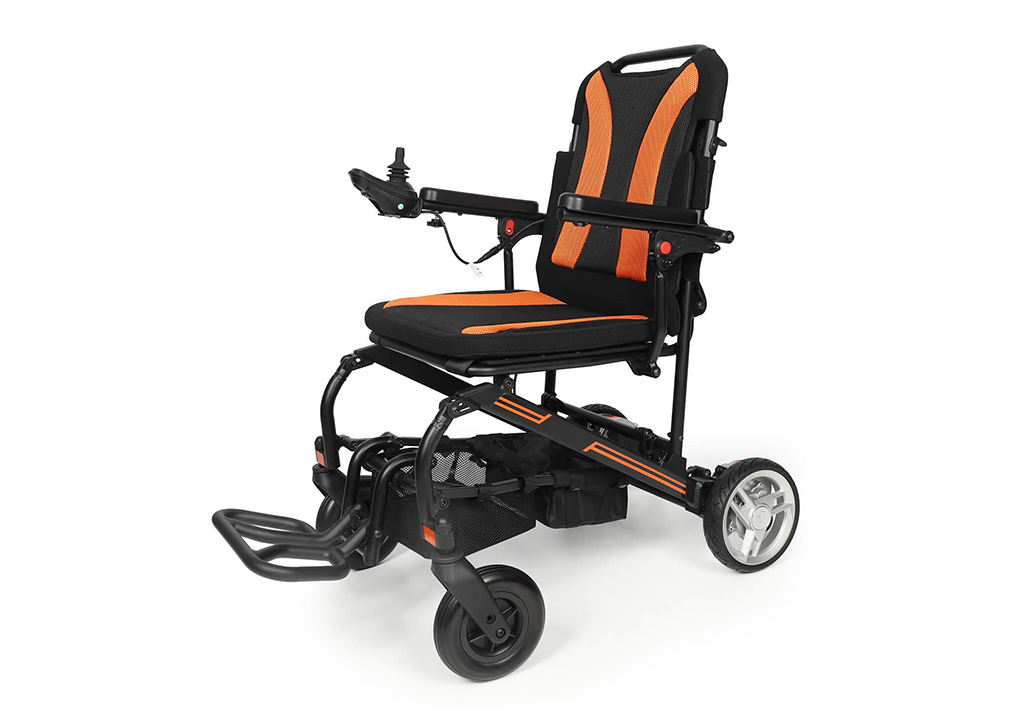
Advanced models like the Camel Hope wheelchair feature sophisticated battery management systems that optimize charging efficiency:
Advanced Charging Features
- Smart charging algorithms that prevent overcharging
- Temperature monitoring for safe charging in various conditions
- Battery balancing systems for multiple-cell configurations
- LED indicators showing charging progress and completion
Optimal Usage Patterns
- Daily charging maintains peak performance capabilities
- Extended range features benefit from full charge cycles
- Smart systems adapt to individual usage patterns
- Advanced diagnostics help monitor battery health over time
For detailed information about this innovative model, see The New Generation of YE246: A Revolution in Mobility.
Compact and Portable Models
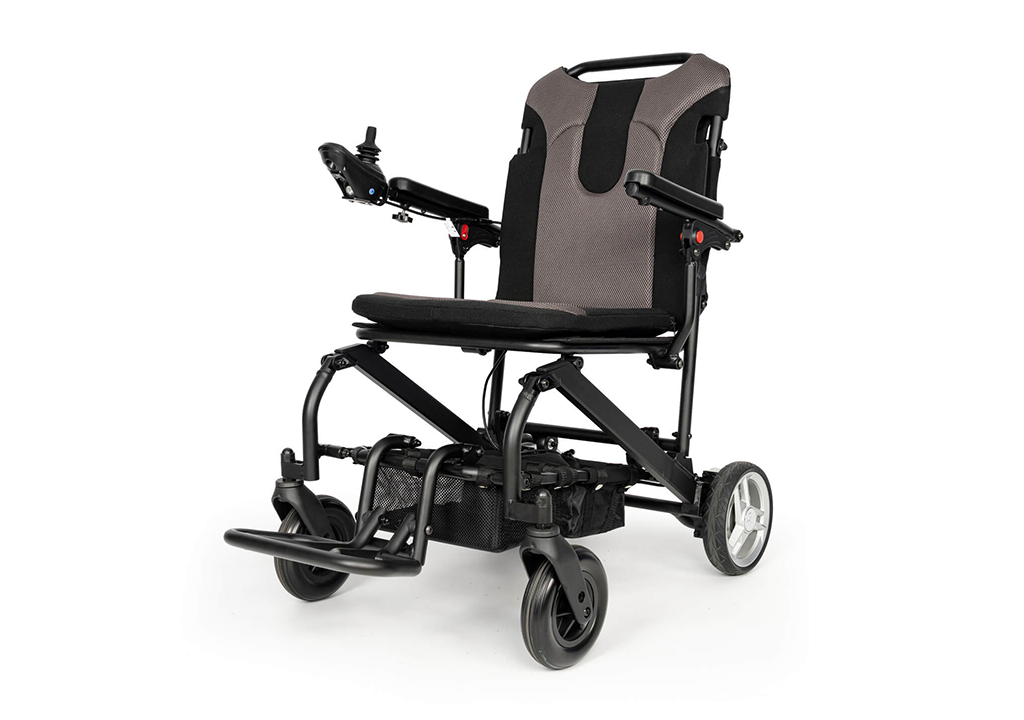
Lightweight models like the Camel Lite wheelchair require specific charging considerations due to their portable design:
Portable Charging Advantages
- Lighter battery systems charge faster
- Compact chargers for travel convenience
- Airline-friendly battery configurations
- Easy battery access for maintenance
Travel Charging Considerations
- Charge fully before travel
- Bring charger for extended trips
- Understand airline battery regulations
- Plan charging opportunities during travel
Usage-Based Charging Frequency
While daily charging remains the gold standard, understanding how different usage patterns affect charging needs helps optimize your routine and battery performance.
Heavy Daily Users
Users who rely on their power chair for 6+ hours daily:
- Must charge every night without exception
- Consider mid-day charging opportunities for extended outings
- Monitor battery performance indicators closely
- Plan charging stations for workplace or frequent locations
Moderate Daily Users
Users with 2-4 hours of daily power chair use:
- Maintain daily charging routine for reliability
- May occasionally skip charging if usage is minimal
- Should never skip more than one day without charging
- Monitor battery indicators for capacity trends
Occasional Users
Users who use power chairs intermittently:
- Charge after every use regardless of duration
- Charge monthly when not in use to maintain battery health
- Store in cool, dry environment when not used regularly
- Consider trickle chargers for extended storage periods
Environmental Factors Affecting Charging Frequency
External conditions significantly impact battery performance and may require adjusted charging frequencies to maintain optimal operation.
Temperature Considerations
Cold Weather Impact
- Batteries provide less capacity in cold conditions
- May require more frequent charging during winter months
- Store and charge in temperature-controlled environments
- Allow batteries to warm before charging in extreme cold
Hot Weather Considerations
- High temperatures can damage batteries during charging
- Avoid charging in direct sunlight or hot vehicles
- Ensure adequate ventilation during charging process
- Monitor for overheating indicators during summer months
Terrain and Usage Intensity
Challenging Terrain Users frequently encountering hills, rough surfaces, or outdoor conditions:
- May need to charge more frequently due to increased power consumption
- Should monitor battery indicators more closely during demanding use
- Consider backup charging solutions for extended outdoor activities
- May benefit from higher-capacity battery options
Charging Best Practices for Different Manufacturers
Different wheelchair manufacturer and electric wheelchair manufacturers may have specific recommendations for their products, but universal best practices apply across brands.
Universal Charging Guidelines
Pre-Charging Checks
- Inspect charging port for damage or debris
- Verify charger cord and connections are secure
- Check battery indicator before connecting charger
- Ensure charging area is well-ventilated and dry
During Charging
- Use only manufacturer-approved chargers
- Avoid using power chair while charging
- Monitor charging progress through indicators
- Ensure stable power supply throughout charging cycle
Post-Charging Procedures
- Disconnect charger once cycle is complete
- Store charger in protective, accessible location
- Verify full charge indication before use
- Document any unusual charging behavior for service reference
Brand-Specific Considerations
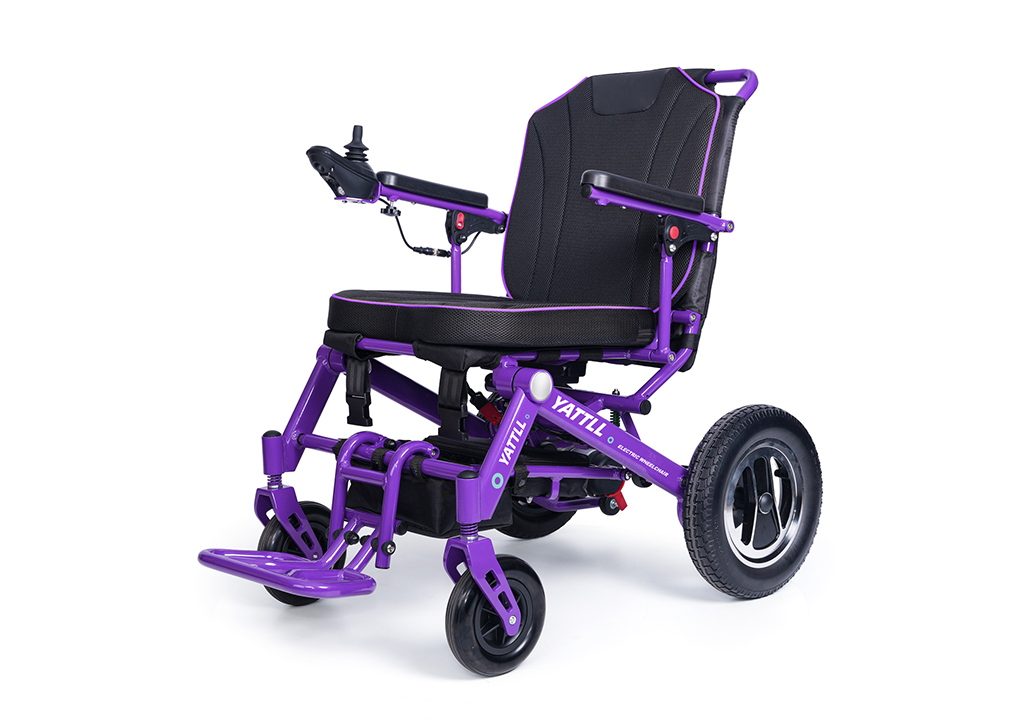
Quality manufacturers like yattll wheelchair provide detailed charging instructions specific to their models:
Manufacturer Guidelines
- Follow specific charging time recommendations
- Use recommended charger models and specifications
- Understand warranty implications of improper charging
- Access technical support for charging-related questions
For guidance on selecting quality manufacturers, see Which Wheelchair Brand is Best? and How to Choose the Best Power Wheelchair.
Signs You Need More Frequent Charging
Recognizing when your power chair requires more frequent charging helps prevent unexpected mobility interruptions and identifies potential battery issues.
Performance Indicators
Reduced Range
- Noticeable decrease in travel distance per charge
- More frequent low-battery warnings during normal use
- Inability to complete routine activities on single charge
- Significant range reduction compared to new performance
Charging Behavior Changes
- Longer charging times to reach full capacity
- Rapid charge loss when not in use
- Inconsistent charging completion indicators
- Unusual heat generation during charging
When to Increase Charging Frequency
Temporary Increases
- During periods of increased usage or longer outings
- In extreme weather conditions affecting battery performance
- When using power-demanding accessories or features
- During travel or changes in routine usage patterns
Permanent Adjustments
- As batteries age and capacity naturally decreases
- When power chair usage patterns permanently increase
- After significant changes in weight load or accessories
- Following manufacturer recommendations for older equipment
Long-Term Battery Health and Charging
Proper charging frequency directly impacts the long-term health and replacement timing of your power chair batteries, affecting both performance and cost of ownership.
Battery Lifespan Expectations
Sealed Lead-Acid Batteries
- Typical lifespan: 12-18 months with proper charging
- Capacity degradation: 20-30% per year under normal use
- Replacement indicators: Range drops below 70% of original
- Cost considerations: Lower initial cost, more frequent replacement
Lithium-Ion Batteries
- Typical lifespan: 3-5 years with proper care
- Capacity degradation: 5-10% per year under normal use
- Replacement indicators: Significant range reduction or charging issues
- Cost considerations: Higher initial cost, longer replacement intervals
Maximizing Battery Investment
Optimal Charging Practices
- Consistent daily charging routines
- Use of manufacturer-approved charging equipment
- Environmental protection during charging and storage
- Professional maintenance and periodic battery testing
Warning Signs for Replacement
- Inability to complete normal daily activities on single charge
- Charging time significantly longer than original specifications
- Physical signs of battery deterioration or swelling
- Repeated low-battery warnings during typical use
Travel and Charging Considerations
Understanding charging frequency becomes more complex when traveling with your power chair, requiring additional planning and consideration of various factors.
Travel Charging Planning
Pre-Travel Preparation
- Fully charge batteries before departure
- Pack appropriate charging equipment and adapters
- Research charging opportunities at destination
- Understand airline or transportation battery regulations
During Travel
- Charge whenever possible, regardless of current battery level
- Plan routes around available charging infrastructure
- Carry backup power solutions when feasible
- Monitor battery performance more closely during travel stress
For travel-specific guidance, see What Are the Lightest Electric Wheelchairs? for portable options and charging considerations.
Manufacturing Quality and Charging Reliability
The quality of your power chair’s manufacturing affects charging system reliability and optimal charging frequency. Understanding manufacturing origins helps set appropriate expectations.
Manufacturing Considerations
For insights into manufacturing quality and its impact on charging systems, see Where are electric wheelchairs made? to understand how production quality affects long-term reliability.
Quality Indicators
- Robust charging port construction and protection
- Reliable charging system components and connections
- Clear charging status indicators and user interface
- Comprehensive warranty coverage for charging-related issues
Range and Charging Relationship
Understanding the relationship between charging frequency and wheelchair range helps optimize both performance and battery life. For detailed range information, see How far will a motorized wheelchair go.
Range Optimization Through Proper Charging
- Consistent charging maintains maximum rated range
- Proper charging techniques extend battery capacity over time
- Smart charging systems optimize performance automatically
- Regular charging prevents range degradation from deep discharge
Emergency Charging Situations
Despite best planning efforts, emergency charging situations may arise. Understanding how to handle these scenarios safely protects both you and your power chair.
Emergency Charging Guidelines
Low Battery Emergencies
- Reduce power chair speed to conserve remaining charge
- Disable non-essential features and accessories
- Seek nearest available charging opportunity
- Contact assistance if stranded due to battery depletion
Charging Equipment Failures
- Carry backup charging cable when possible
- Know compatible charger specifications for emergency replacement
- Understand basic troubleshooting for charging issues
- Maintain contact information for technical support
The answer to “How often should you charge a power chair?” is simple: charge after every use, regardless of duration or battery level remaining. This practice ensures optimal performance, extends battery life, and provides reliable mobility when you need it most.
Whether you use a high-performance model like the Camel Hope wheelchair or a compact option like the Camel Lite wheelchair, consistent charging habits remain the foundation of reliable power chair operation.
Modern battery wheelchair systems, whether traditional sealed lead-acid or advanced lithium battery wheelchair configurations, benefit from regular charging routines that maintain peak performance and extend operational life.
Remember that proper charging frequency is just one aspect of power chair maintenance and selection. For comprehensive guidance on choosing the right power chair for your needs, consider the full range of factors including performance, reliability, and manufacturer support when making your decision.