YATTLL Mobility Products Manufacturer Email: info@yattll.com

What are the classes of wheelchairs
Primary Wheelchair Classifications
Wheelchairs are fundamentally divided into two main categories: manual wheelchairs and powered wheelchairs. Each category encompasses multiple subcategories designed for specific user needs, environments, and functional requirements.
Manual Wheelchairs
Manual wheelchairs rely on human power for propulsion, either from the user or a caregiver. The Types of manual wheelchairs include several distinct categories, each designed for specific user needs and environments.
Standard Manual Wheelchairs These are the most common type of manual wheelchair, featuring:
- Steel or aluminum frame construction
- Standard seat widths from 16 to 20 inches
- Removable armrests and footrests
- Fold-down back for storage and transport
- Weight capacity typically 250-300 pounds
Lightweight Manual Wheelchairs Designed for active users who self-propel:
- Aluminum or titanium frame construction
- Reduced weight (typically 25-35 pounds)
- Improved maneuverability and efficiency
- Adjustable components for optimal fit
- Enhanced performance for daily use
Ultra-Lightweight Manual Wheelchairs Premium models for maximum performance:
- Advanced materials like carbon fiber
- Weight as low as 15-25 pounds
- Highly adjustable and customizable
- Optimized for active lifestyles and sports
- Superior efficiency and reduced fatigue
Transport Wheelchairs Designed primarily for caregiver assistance:
- Smaller rear wheels (typically 12 inches)
- Lightweight and compact design
- Easy folding for transport
- Not intended for self-propulsion
- Ideal for medical appointments and short-term use
Powered Wheelchairs
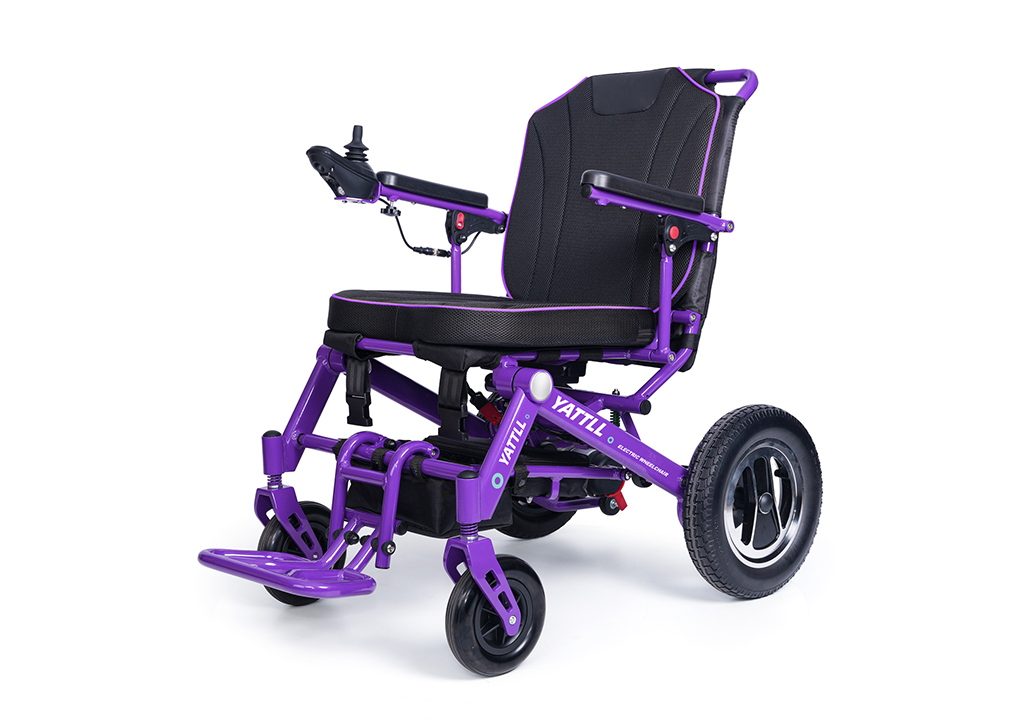
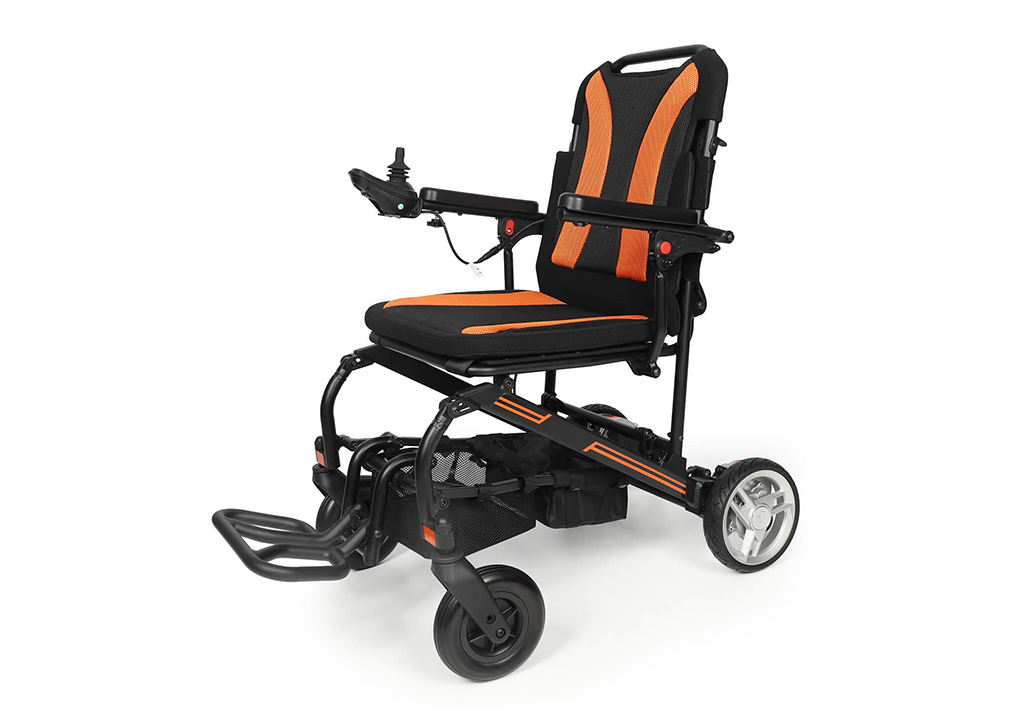
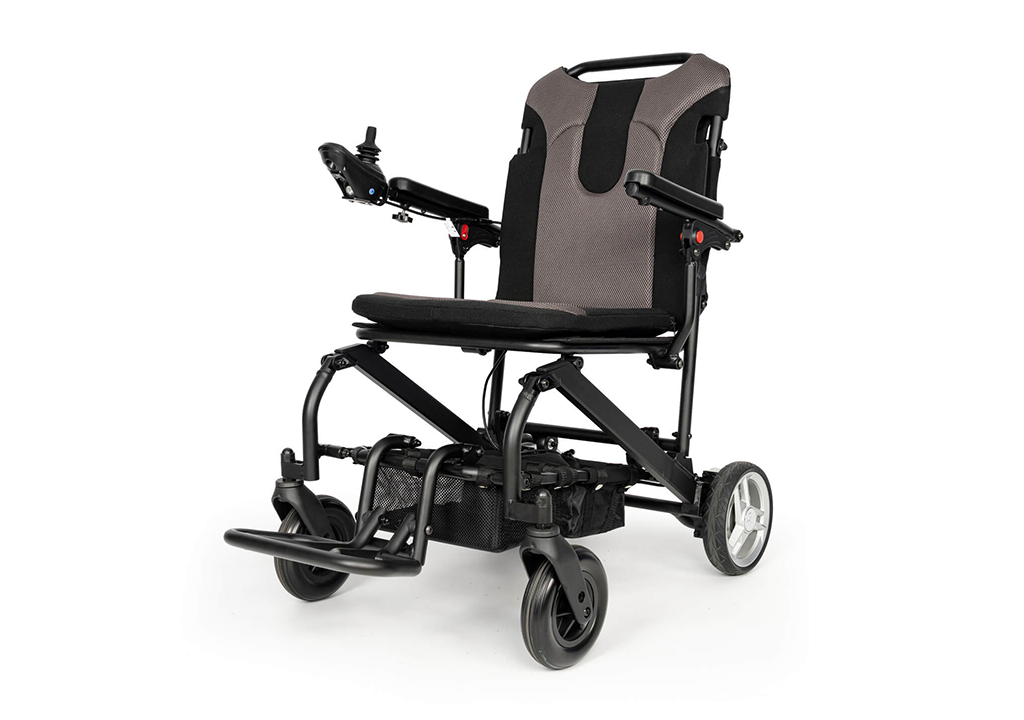
Electric wheelchairs provide motorized mobility for users who cannot self-propel or need enhanced independence. The variety of types of wheelchairs in the powered category addresses diverse mobility requirements.
Standard Power Wheelchairs Basic electric models with essential features:
- Mid-wheel, front-wheel, or rear-wheel drive options
- Basic seating and positioning
- Standard control systems
- Indoor and limited outdoor use
- Entry-level pricing and features
Heavy-Duty Power Wheelchairs Designed for larger users or demanding applications:
- Enhanced weight capacity (400+ pounds)
- Reinforced frame construction
- Powerful drive systems
- Larger batteries for extended range
- Suitable for outdoor terrain
Portable Power Wheelchairs Compact designs for travel and transport:
- Folding or disassembly capabilities
- Lightweight construction
- Airline-friendly battery options
- Reduced feature set for portability
- Ideal for occasional use
Clinical Classifications
Healthcare professionals often use clinical classification systems based on user mobility levels and functional requirements. These classifications help determine appropriate wheelchair prescriptions and insurance coverage.
Mobility Classification Levels
Level 1 – Basic Mobility Users with limited mobility who primarily use wheelchairs indoors:
- Standard manual or basic power wheelchairs
- Simple seating and positioning
- Limited customization needs
- Focus on basic transportation
Level 2 – Enhanced Mobility Users requiring improved functionality for daily activities:
- Lightweight manual or mid-level power wheelchairs
- Some seating modifications
- Indoor and limited outdoor use
- Enhanced comfort features
Level 3 – Advanced Mobility Active users requiring high-performance equipment:
- Ultra-lightweight manual or advanced power wheelchairs
- Extensive customization options
- Multiple environment use
- Sports and recreational capabilities
Power Wheelchair Drive Classifications
Power wheelchairs are further classified based on their drive wheel configuration, which significantly affects performance characteristics and suitability for different environments and users.
Front-Wheel Drive (FWD)
Characteristics:
- Drive wheels located at the front
- Excellent climbing ability
- Good obstacle clearance
- Stable on inclines
- Larger turning radius
Best For:
- Outdoor use and rough terrain
- Users who encounter curbs and obstacles
- Those prioritizing climbing performance
Mid-Wheel Drive (MWD)
Characteristics:
- Drive wheels positioned under the user
- Tightest turning radius
- Excellent maneuverability indoors
- Six-wheel design for stability
- Good balance and control
Best For:
- Indoor environments
- Users prioritizing maneuverability
- Those with limited space constraints
- Office and home use
Rear-Wheel Drive (RWD)
Characteristics:
- Traditional drive wheel placement
- Highest top speeds
- Best stability at speed
- Smooth ride quality
- Natural driving feel
Best For:
- Outdoor use and longer distances
- Users who drive at higher speeds
- Those prioritizing ride comfort
- Community mobility applications
Specialty Wheelchair Classes
Beyond standard manual and power categories, specialized wheelchair classes serve specific user needs and applications.
Standing Wheelchairs
These wheelchairs allow users to transition from seated to standing positions:
- Manual or power-operated standing mechanisms
- Health benefits from weight-bearing
- Improved social interaction at standing height
- Enhanced reach and accessibility
- Specialized seating systems
Sports Wheelchairs
Designed specifically for athletic activities:
- Racing wheelchairs for track and marathon events
- Court sport wheelchairs for basketball and tennis
- Field sport models for rugby and football
- Specialized designs for each sport’s requirements
- High-performance materials and construction
Pediatric Wheelchairs
Tailored for children and adolescents:
- Smaller dimensions and proportions
- Growth-accommodating features
- Colorful and appealing designs
- Enhanced safety features
- Educational and developmental considerations
Seating and Positioning Classifications
Wheelchair seating systems are classified based on complexity and clinical requirements:
Linear Seating
- Basic foam cushions and backrests
- Standard dimensions and angles
- Limited adjustability
- Suitable for users with minimal positioning needs
Contoured Seating
- Pre-formed cushions and backrests
- Multiple size options
- Some adjustability features
- Addresses mild to moderate positioning needs
Custom Seating
- Individually fabricated systems
- Precise fit and positioning
- Multiple adjustment options
- Complex postural support requirements
Insurance and Funding Classifications
Insurance providers and funding agencies use specific classification systems to determine coverage eligibility and reimbursement levels.
HCPCS Codes
Healthcare Common Procedure Coding System codes classify wheelchairs for billing purposes:
- K0001-K0109: Manual wheelchair codes
- K0800-K0899: Power wheelchair codes
- E1002-E1298: Wheelchair accessories and components
Medicare Classifications
Medicare uses a complex system based on mobility limitations and functional requirements:
- Manual wheelchair coverage criteria
- Power wheelchair benefit categories
- Documentation and justification requirements
- Supplier qualification standards
Commercial Classifications
For businesses involved in wheelchair distribution and sales, commercial classifications help organize inventory and target specific market segments.
Market Segments
Healthcare Institutional Wheelchairs designed for hospitals, nursing homes, and rehabilitation facilities:
- Institutional-grade construction
- Easy maintenance and cleaning
- High durability requirements
- Standardized features and sizing
Retail Consumer Products marketed directly to end users:
- Consumer-friendly features and designs
- Warranty and support considerations
- Competitive pricing strategies
- Marketing and brand differentiation
DME Provider Products distributed through durable medical equipment suppliers:
- Insurance billing compatibility
- Clinical documentation support
- Professional fitting and service
- Ongoing maintenance capabilities
Sourcing and Manufacturing Considerations
Understanding wheelchair classes is crucial for businesses involved in sourcing and distribution. The Cost of wheelchair varies significantly between different classes and quality levels.
Manufacturing Classifications
Different manufacturers and Factory operations specialize in specific wheelchair classes:
High-Volume Manufacturers
- Standard manual and basic power wheelchairs
- Automated production processes
- Cost-effective pricing structures
- Wide distribution networks
Specialty Manufacturers
- Custom and complex seating systems
- Low-volume, high-value products
- Specialized engineering capabilities
- Premium pricing and margins
Contract Manufacturers
- Private label production
- Flexible manufacturing capabilities
- Scalable production volumes
- Cost optimization focus
For businesses exploring international sourcing, understanding how to buy wheelchairs in china requires knowledge of different manufacturer capabilities and class specializations. Resources like Top 10 Chinese Power Wheelchair Manufacturers provide insights into available options.
Supplier and Distribution Classifications
The wheelchair supply chain involves various types of suppliers and distributors, each serving different market segments and customer needs.
Supplier Types
Motorised Wheelchair Supplier Specialized suppliers focusing on electric wheelchairs:
- Technical expertise in power mobility
- Service and maintenance capabilities
- Training and education programs
- Warranty and support services
China Wheelchair Supplier International suppliers offering competitive pricing:
- Manufacturing relationships
- Import/export expertise
- Quality assurance programs
- Cultural and language bridge
Wheelchair Wholesaler Distribution partners serving retail markets:
- Inventory management
- Regional distribution networks
- Marketing and sales support
- Financial and credit services
Wholesale Classifications
Different wholesale approaches serve various market segments:
Wholesale Mobility Wheelchair Programs
- Volume-based pricing structures
- Multiple brand portfolios
- Comprehensive product training
- Marketing and promotional support
Wheel Chair Wholesale Supplier Networks
- Regional distribution strategies
- Specialized market focus
- Technical support capabilities
- Inventory and logistics management
Selecting the Right Classification
Choosing the appropriate wheelchair classification requires careful consideration of multiple factors. Resources like Choosing the Right Electric Wheelchair: Sizes, Accessories, and Key Advantages provide detailed guidance for specific categories.
Assessment Considerations
User Factors
- Physical capabilities and limitations
- Cognitive and perceptual abilities
- Lifestyle and activity requirements
- Environmental considerations
Clinical Factors
- Medical diagnosis and prognosis
- Rehabilitation goals and timeline
- Seating and positioning needs
- Safety and risk considerations
Practical Factors
- Budget and funding availability
- Transportation requirements
- Maintenance and service needs
- Insurance coverage limitations
Professional Guidance and Support
Working with qualified professionals ensures appropriate wheelchair classification selection. Different types of Wheelchair Company providers offer varying levels of expertise and support.
Professional Resources
For healthcare institutions and bulk purchasers, understanding supplier classifications is crucial. Resources like How to Choose the Best Wheelchair DME Supplier for Bulk Purchases and How to Choose the Best Wheelchair Supplier provide comprehensive evaluation criteria.
Additional guidance for supplier selection includes How to Choose a Reliable Wheelchair Supplier, which covers quality assurance and relationship management considerations.
Quality and Certification Standards
Different wheelchair classes must meet specific quality and safety standards. Certifications like YATTLL Wheelchair FDA certification demonstrate compliance with regulatory requirements for specific product classifications.
Certification Requirements
Different classes require different certification approaches:
- Medical device classifications
- Safety standard compliance
- Quality system requirements
- Market-specific approvals
Innovation and Future Classifications
The wheelchair industry continues to evolve with new technologies and user requirements. Innovations like those showcased in Yattll Power Wheelchair Camel Hope YE246 – The Portable Power Wheelchair Redefining Mobility may create new classification categories.
Emerging Categories
Smart Wheelchairs
- IoT connectivity and app integration
- Health monitoring capabilities
- Navigation and obstacle avoidance
- Predictive maintenance features
Hybrid Mobility Devices
- Combination manual/power operation
- Standing and mobility integration
- Multi-modal transportation devices
- Adaptive functionality systems
Product Catalogs and Selection Tools
Comprehensive electric wheelchair catalog resources help navigate different classes and options. These tools typically organize products by classification to simplify selection and comparison processes.
Modern catalogs include:
- Detailed specifications by class
- Comparison tools and features
- Pricing and availability information
- Technical support resources
Wheelchair classifications serve multiple purposes, from clinical prescription and insurance coverage to manufacturing specialization and commercial distribution. Understanding these various classification systems helps ensure appropriate product selection, proper clinical intervention, and successful business operations.
Whether you’re a healthcare professional prescribing Mobility wheelchairs, a business exploring sourcing options from an electric wheelchair factory, or a user seeking the right mobility solution, understanding wheelchair classes provides the foundation for informed decision-making.
The wheelchair industry will continue to evolve with new technologies and changing user needs, potentially creating new classification categories. However, the fundamental principles of matching wheelchair characteristics to user requirements remain constant across all classification systems.